Diabetes in the Renaissance

Can you imagine having diabetes in the 14th – 17th centuries??? The answer to that is no, you probably cannot…because without modern medicine, it wouldn’t have been possible for a T1D to survive in the Renaissance. And ‘cuz, well y’know, the Black Plague was a thing back then and lots of people didn’t survive.

But fortunately, we’re living in the 21st century, which means we have access to all sorts of things that help us manage diabetes. Still waiting on that cure, though.

Where am I going with all this?

I wanted to recount my recent trip to a Renaissance festival, in which I spent a day taking care of my diabetes while jousting tournaments, Shakespearean performances, and drunken debaucheries took place all around. And you know what? It was easier than I thought it’d be.

Sure, I didn’t check my blood sugar with my meter as much as I should have. My inner germaphobe was reluctant to rely on my meter for accurate results, seeing as there weren’t really any hand-washing stations on the fairgrounds. (Remember, this is the Renaissance…things were a little grimier in those days.) I used hand sanitizer whenever it was available to me to keep my hands clean, but it was a bit of a challenge, especially when my mitts got caked in mud post-ax throwing.
587E26CB-B564-463E-815B-B5CF73256412
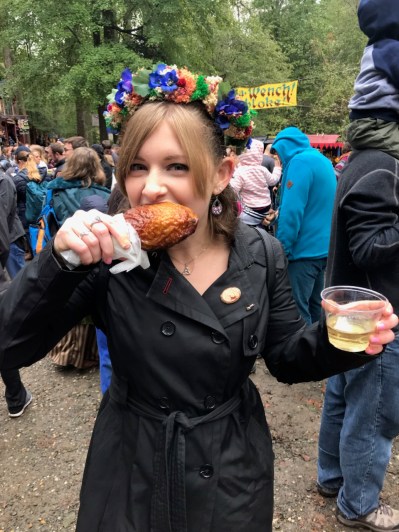
Enjoying a turkey leg alongside a serving of Chardonnay at the Renaissance Faire – y’know, to keep things classy.

Thankfully, I had my Dexcom G6 to help keep me on track as I ate my way through the fictional 16th century village. I was jazzed that several low-carb options were available to me; throughout the day, I snacked on a giant turkey leg, a Scotch egg, and spiced nuts. Maybe a “diabetes-friendly” diet would’ve been easy to follow in the Renaissance? Though I will admit that I gave in to temptation and ate (devoured) a slice of cheesecake. On a stick. And dipped in chocolate. Not low carb, but super YUM.

So even though my diet was far from nutritious at the ye olde faire, I think that all the walking around and sharp-objects-throwing kept my blood sugar in check, much to my relief. My experience at the fest is just another example of how diabetes won’t prevent me from living life to the fullest, whether it’s in the reality of 2018 or the fantasy of the 16th century.

‘Tis the (Pumpkin Spice) Season

Let me begin this post by saying that I do not believe I can be categorized as “basic white girl”. For those of you who aren’t familiar with the term “basic white girl” in the Urban Dictionary sense of the word, it can be defined as:

A female who conforms to her surroundings and claims she is unique. She often drinks Starbucks, wears Ugg boots in August, and posts selfies on social networking sites every. single. day. Also uses hashtags that don’t have anything to do with the picture itself.

Basic white girl starter kit includes: Uggs, Starbucks, leggings or yoga pants, pumpkin spice, every social media platform ever created, etc.

– Urban Dictionary

I’ve never owned a pair of Ugg boots. I only drink Starbucks every once in awhile, but I don’t order froufrou “bevvies” when I go – usually, I just stick with an iced coffee, black. And I certainly don’t have enough self-confidence to post a selfie on social media every damn day. That sounds exhausting.

But if an undying love for any and all things pumpkin spice scented/flavored qualifies me as “basic”, then I guess I’m gonna have to take my pumpkin spice coffee and run with it!

Pumpkin Spice

Since pumpkin spice manifests itself in many carb-laden treats this time of year, you might be wondering exactly how I can get away with enjoying a mass quantity of the stuff. And no, my method doesn’t involve dosing tons of insulin so I can down endless amounts of pumpkin spice M&Ms, ice cream, Oreos, yogurt, muffins, or any other kind of pumpkin-spicy product you can imagine.

It’s much simpler than that – all that I do is make it my mission each year, right around mid-August, to find as many carb-free pumpkin spice products as possible, buy them, and revel in them for the following three months.

You’d be surprised to learn how easy it is, too. Here are just a few of the pumpkin spice products I’ve stocked up on in the last few years: Gum, candles, tea, butter (yes, pumpkin spice BUTTER), hand sanitizer, soap, peanut butter…the list can go on and on, and it does, considering that the gamut of pumpkin spice offerings only increases year after year.

I’ve hunted down foods that have both pumpkin spice and a lower carb count, like Halo Top Pumpkin Pie ice cream or FiberOne bars (ugh, they’re so good it’s not fair). I’ve even mixed it up by combining pumpkin spice with some more manageable carbs, such as plain oatmeal. I just can’t get enough, especially since this is a seasonal offering that plays pretty nicely with my diabetes.

So if that makes me basic, then I’ll wear the label proudly, just as I do with my diabetes.

3 Things I Learned From Giving up Alcohol for Lent

Unless you’re familiar with the Catholic faith, that title probably doesn’t make much sense to you. “Lent” is a period of time – the 40 days before Easter Sunday – in which Catholics traditionally practice penance, prayer, and almsgiving. In addition to avoiding the consumption of meat on Fridays during Lent, it’s also common for observers to give up something in order to focus more energy on acts of kindness and charity.

This year, I decided to give up alcohol.

Screen Shot 2018-04-08 at 7.27.46 PM
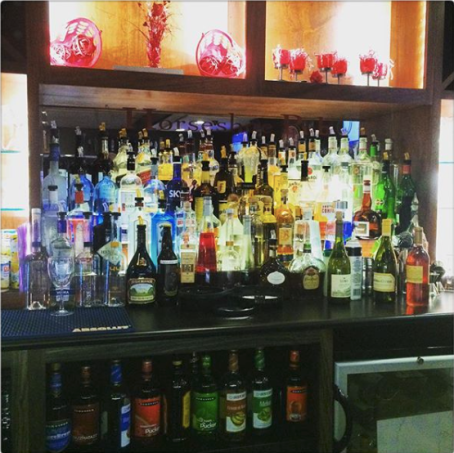
All of this, and more, was off limits throughout Lent.

I was inspired by my mom, who has eschewed alcohol during Lent for the last few years. I was a bit hesitant to take on the challenge; after all, I’m a young adult who enjoys going out and drinking every now and then. I wondered how it might affect my social life, and whether I’d experience any heckling or peer pressure from friends. But I was also open to the idea that forgoing alcohol during Lent could benefit me in some ways, so I felt ready to go forward with my plan.

Here’s what I learned from abstaining from alcohol for 40 days:

  1. My blood sugars were a little more predictable/easier to manage. One of my biggest issues with alcohol is that it’s hard to know just how many carbs are in one drink. Beer tends to be higher carb, whereas wine typically contains less. Hard liquor boasts even fewer carbs, but things get tricky when sugary mixers get added to the equation. So when I drink alcohol, I try to prepare myself for any possible scenario that could result from miscalculated carb intakes. But by giving up alcohol during Lent, I didn’t have this problem when I was dining out. I simply had to bolus for the food on my plate and enjoyed worrying less about what my blood sugar would be like later in the evening.
  2. Nobody gave me a tough time over my decision. This was a pleasant surprise, albeit one that I should’ve seen coming. After all, I’m not in college anymore. Peer pressure is practically non-existent in my life these days, and I’m thankful for its absence. If anything, my alcohol avoidance triggered discussions among my friends and colleagues, who generally seemed interested in the concept of giving something up for a length of time.
  3. It reminded me there are other (healthier!) ways to unwind that don’t involve drinking. Obviously, I knew that on a sub-conscious level. But I was automatically encouraged to explore alternative ways to relax after a long day at work. I definitely amped up the amount I exercised, and I probably ate a smidge more dark chocolate (okay, more than that) to reward myself throughout the week. And I didn’t become a shut-in on Friday and Saturday nights like I feared; rather, I participated in all my usual weekend activities, just sans alcohol. A huge plus to this was not having to worry about whacky blood sugars or who would be a designated driver – the safety element made the whole alcohol-avoidance thing much more appealing.

Does this mean that I’m going to avoid drinking alcohol forever now? No, because I still enjoy having a pint of beer, glass of wine, or specialty cocktail at my fancy. But I do feel more empowered to say “no” when I just don’t feel like drinking socially. I also feel good about cutting back on my alcohol intake overall and making a commitment to consciously deciding whether or not I want to drink. I think that my mind, body, and blood sugars will be better off.

Easter Basket Dos and Don’ts for People with Diabetes

Please don’t judge me for what I’m about to say…

…Even though I’m an adult, I still get Easter baskets. I know, I’m a bit spoiled.

The contents of said Easter baskets have varied over the years. But the ever-thoughtful Easter bunny has always been conscientious of the goodies he places within it, given my diabetes. After all, diabetes doesn’t mean I can’t enjoy Easter treats, both of the sugary and sugar-free variety.

Screen Shot 2018-03-28 at 10.03.16 AM.png
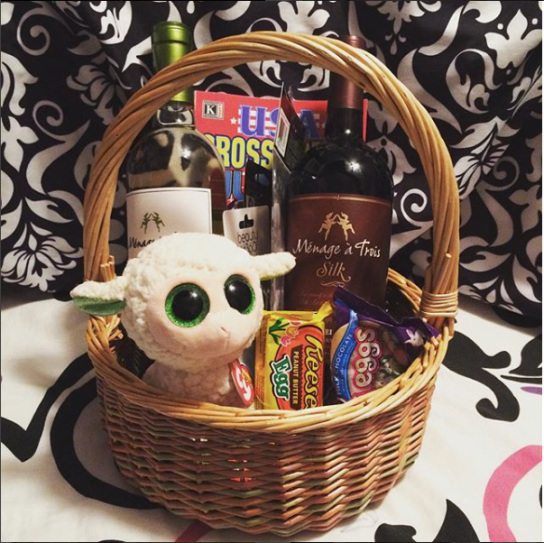
One of my favorite Easter baskets received as an adult contained a stuffed animal, two bottles of wine, a book of crossword puzzles, and Easter chocolates.

Whether a kid or an adult, here’s some ideas for an Easter basket that any T1D in your life will appreciate:

For kids:
Coloring books, markers/crayons/colored pencils, stickers, comic books, movies, frisbees, outdoor/warm weather toys, nail polish, puzzles, mini games, stuffed animals…

For adults:
Lottery tickets, gift cards, coffee, wine/beer (one of the best finds in an Easter basket, TBH), gum, other small snacks, books…

Truly, depending on who the basket is for, there’s a ton of possibilities as to what can fill it.

My thoughts on candy:
I’m the only person I know who doesn’t completely loathe sugar-free chocolates. Obviously, I prefer actual chocolate – because, you know, that’s what tastes good. But I don’t exactly love all the carbs in it. I find that snacking on sugar-free chocolates (as long as the quantity is small) satisfies a sweets craving well enough. But I also think that real treats, like Reese’s peanut butter eggs (my weakness) or Cadbury eggs (pure confectionary delight) are okay. After all, Easter is only once a year. And with carb counts widely available these days, it’s easy to know exactly how many you’re consuming.

Plus…who doesn’t love a good candy sale the day after a holiday? Talk about a great low blood sugar stash!

On another note…Happy Easter, Happy Passover, and Happy Spring to you!!!