
Trust Goes Both Ways in a Healthcare Provider/Patient Relationship

“Hello Molly,

You have a new message in MyChart! Please sign in to read your message.”

Whenever this notification pops up in my inbox, I’m filled with a sense of dread because it usually means one of 3 things: 1) I owe money to one of my doctors’ offices, 2) I have an upcoming medical appointment that I forgot about, or 3) There’s a problem with one of my prescriptions and my doctor’s office needs more information from me.

I never would’ve accounted for a fourth possible scenario, one that makes me feel good as a patient, being remotely likely…until it actually happened to me.
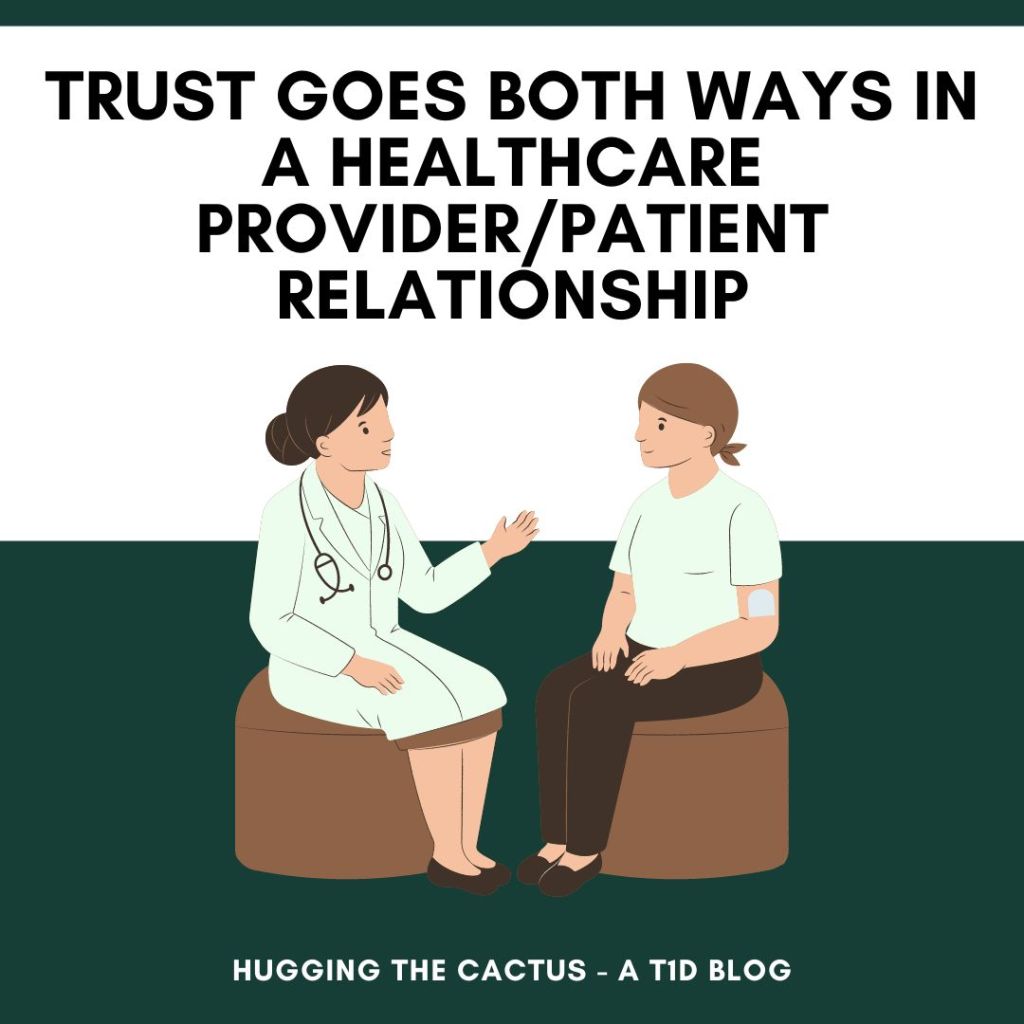
The message in question was from my diabetes nurse practitioner, and she wrote to me asking if I could recommend any diabetes support groups to another patient with T1D who was roughly my age. She explained that she thought to ask me because she knew that I have this blog/platform and remembered that I’ve spoken about how the diabetes community has greatly helped me over the years.

Upon reading the message, I immediately felt flattered that she thought to ask me. I typed up a thoughtful reply, including several different resources that might meet the patients’ needs, and sent it, feeling totally awestruck over how trust was definitely a two-way street in this particular HCP/patient relationship. It means a lot to me that my NP trusted my recommendations enough to not only want to pass them along to another patient, but to reach out and ask me for them in the first place. While my current overall healthcare team is lacking in some major ways – I won’t get into details on that, but let’s just say the search for a couple of new physicians is one that I’ll reluctantly embark on soon – this is reassurance that I do still have allies working for (and with) me. And that’s a really great feeling.
What to do When Diabetes Technology Fails (at the Worst Possible Time)

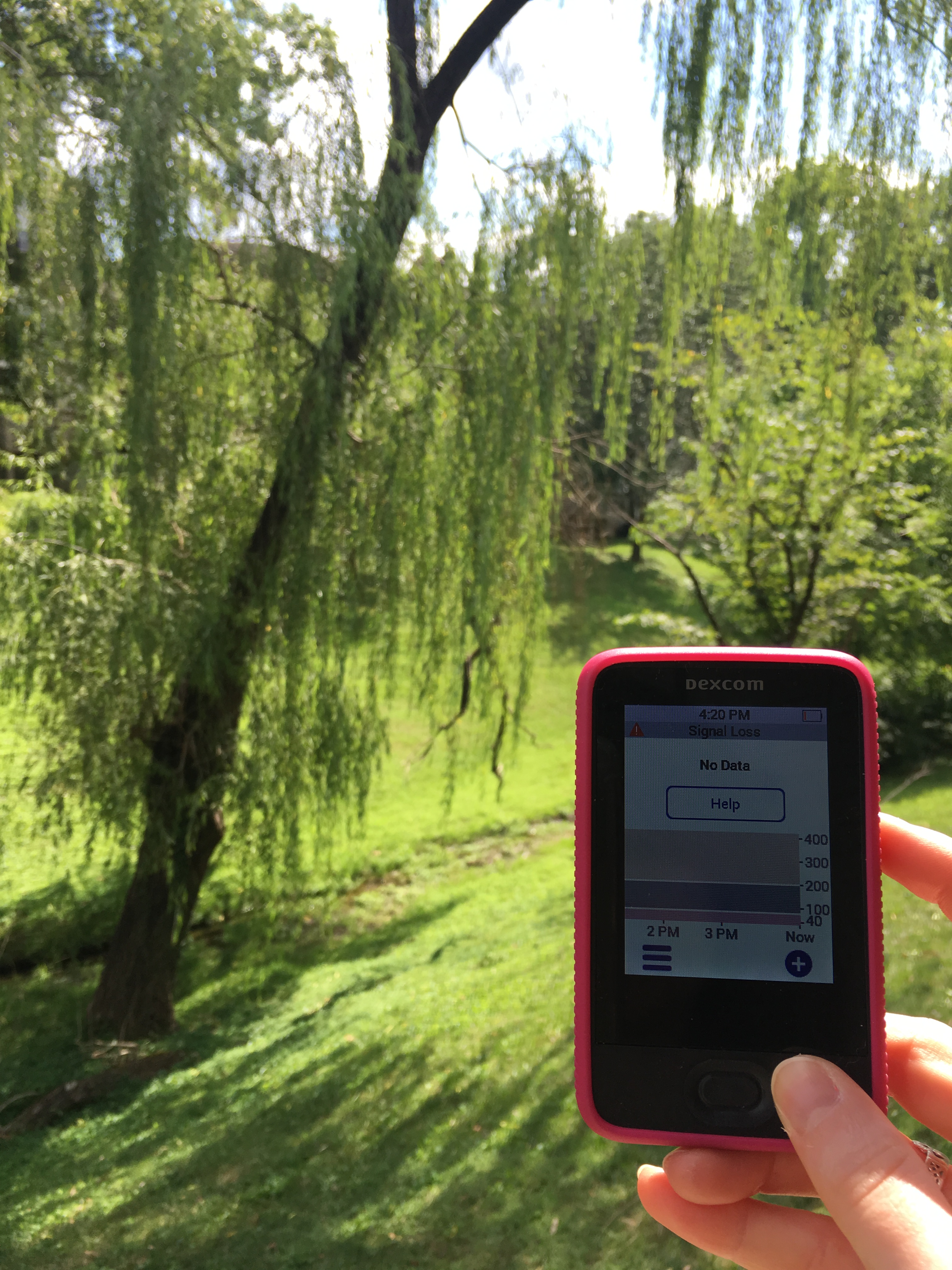
This past Saturday afternoon, my Dexcom G6 sensor stopped working. It wasn’t sending data to my smartphone app or my transmitter, so I was forced to fly blind…at a party with tons of people I’d never met before, an impressive food spread, and few beverage options other than beer from a keg or spiked punch.

Definitely not a good time for my Dexcom sensor to go kaput, especially considering I was getting on a plane the next day and didn’t have a backup. And I wouldn’t get my hands on a fresh sensor for a couple more days, when I would return home from my adventures in Washington, D.C. and Nashville, Tennessee.

So yeah, it was pretty much the worst timing ever for my heavily-relied-upon diabetes technology to fail.

How did I handle it? It might sound incredibly obvious, but…I just reverted back to life before a CGM, meaning that I tested my blood sugar much more often than I do when the ol’ Dexcom is up and running. At the aforementioned party, I sucked it up and pulled myself away from conversations to check my numbers every so often with my meter. I still participated in barbecue and beer consumption, but I dialed it back because I couldn’t be sure of what direction it would send my blood sugar in, or how quickly it would happen.

As for the rest of my trip, and my travel days, I remained diligent. I’d test and correct as needed approximately every two hours. I set alarms for the middle of the night so I could be certain that I wasn’t too high or too low. I went back to relying on sensation – was I feeling thirsty because my blood sugar was high? Was my shakiness a sign of an oncoming low? It surprised me how easily I slid back into those routines, but I guess that after so many years of practicing them, it makes sense that I was still in tune with my body.

393F3AB0-9B48-4E65-BA9F-8EBDFB3622AD
No data…no problem.

And, perhaps most shocking of all, I remained pretty calm about the whole situation. Normally, it’d send me into a panic and I’d chide myself over and over for not having a backup sensor. But, really, I carry around enough diabetes junk – adding a clunky sensor insertion device into the mix sounds excessive. After all, the sensors are supposed to WORK for the full ten days that they guarantee. It gets exhausting, having to anticipate technology failures when they should never happen, so I shouldn’t be upset with myself for not carrying more than the essentials.

The lesson in this experience, I think, is to be unafraid to depend on my intuition. I literally grew up managing my diabetes with hardly any technological aid, and I can do it again now in a heartbeat as long as I trust myself and the process.