
One Monday per month, I’ll take a trip down memory lane and reflect on how much diabetes technology, education, and stigma has changed over the years. Remember when…
…insulin had yet to be discovered? Of course you don’t actually remember it, unless you were born in or prior to 1921 (and if you were, wow!!! Thanks for checking out the blog!).
Anyway, prior to the groundbreaking discovery of insulin, people with diabetes lived difficult – rather miserable, actually – lives. I started reading a book called Breakthrough: Elizabeth Hughes, the Discovery of Insulin, and the Making of a Medical Miracle a little while ago. This book has made me realize just how fortunate I am to live during a time when insulin is around (even if it is grossly overpriced).
Many parts of this book have surprised, horrified, and downright depressed me. One of the more shocking things that I’ve learned from it, though, is the diabetes diet that was prescribed to patients in the early 1900s. Patients like Elizabeth Hughes, the T1D daughter of a U.S. politician, were expected to follow a strict meal plan upon admission to the Physiatric Institute in Morristown, New Jersey. Imagine following an eating plan like this every day:
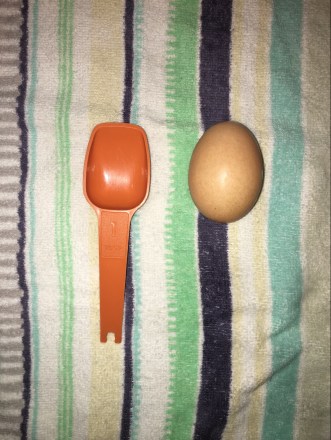
Breakfast – One egg with two and one-quarter tablespoons of string beans boiled three times, and one tablespoon each of cream and coffee.
10 A.M. – Half a small orange for a snack.
12 P.M. – Two and a half tablespoons of cod with two heaping tablespoons of Brussels sprouts boiled three times, as well as five small olives and a half pat of butter…with a cup of tea to wash it all down.
Dinner – One egg and one egg white, 2 tablespoons of spinach (yes, boiled three times), with a half pat of butter.
Oh, scratch that part about following this diet every single day – patients had to fast one day each week. No food was permitted, at all.
Does that not sound vile?
I mean, I love eggs, and I happily eat veggies on a daily basis. But I’m certain I’d get sick of them no matter how they were prepared. And veggies boiled THREE times? I would think that they’d be reduced to mush, which, according to the book, is the point. Boiling them so many times would ensure minimal carbohydrate consumption since the nutrients would basically be cooked out of the vegetable. Plus, with portions so tiny, it’s hard to imagine that anyone ever felt full after consuming a “meal”.
This extremely restrictive diet left patients yearning for pictures of food they saw in magazines, as well as severely undernourished. Following this meal plan practically guaranteed that patients would become emaciated. In fact, by the time 15-year-old Elizabeth Hughes left the Physiatric Institute, she weighed a mere 45 pounds – less than half what a healthy girl that age should weigh.
Even though I haven’t finished the book yet, it already serves as a reminder to be grateful for what I’ve got in this day in age: not just insulin, but amazing technology, wonderful doctors, and radical ongoing research in the diabetes field.
All of today’s advancements make me hopeful for the possibility of the eradication of diabetes, maybe not too far after the 100-year anniversary of the discovery of insulin.
 Hugging the Cactus